


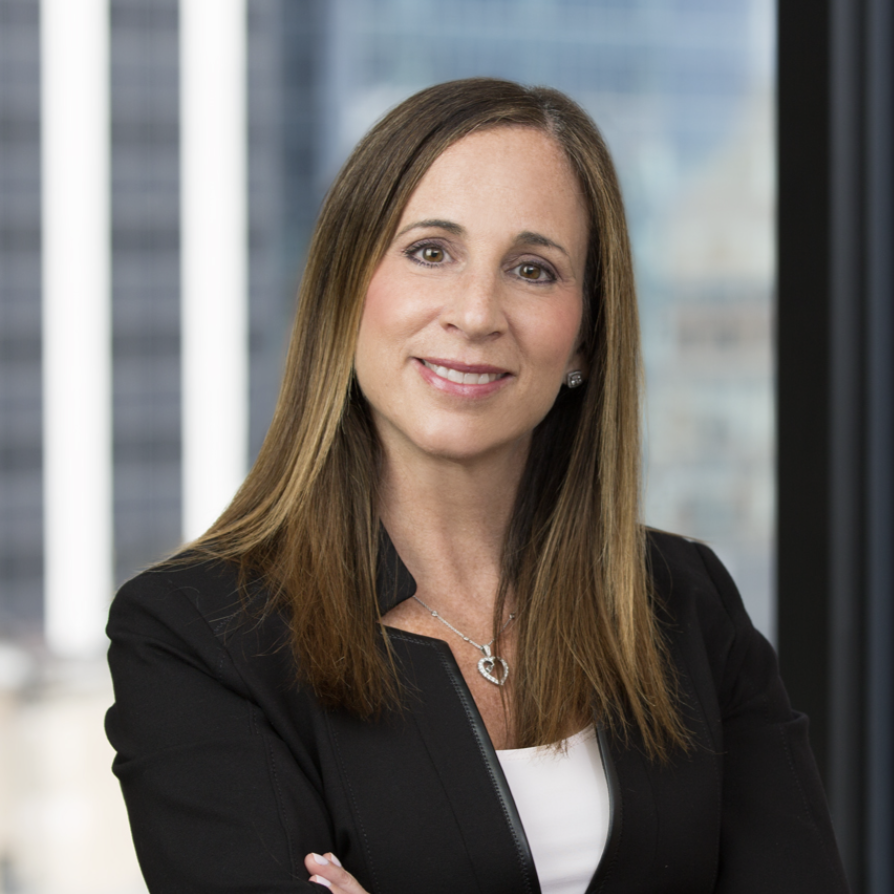
Ericka Adler, healthcare attorney at Roetzel & Andress, joins Craig Castelli to break down how private equity has reshaped healthcare M&A. They discuss the rise of PE buyers, what physicians often underestimate in the diligence process, and why many deals fall apart after closing. Ericka shares practical advice on preparing for a sale, navigating negotiations, and protecting what matters beyond the purchase price. The conversation also explores shifting deal structures, evolving market conditions, and what the next few years could look like for healthcare transactions.



Exploring the Art & Science of dealmaking
Welcome to The Close M&A Podcast with Caber Hill Advisors, where we bring you exclusive insights from M&A experts, business owners, and industry leaders navigating the complexities of buying and selling businesses. Hosted by Craig Castelli, this podcast demystifies the dealmaking process, shares success stories, and offers invaluable lessons for business owners and investors.

Craig Castelli, Founder & CEO of Caber Hill Advisors, is a trusted M&A expert with decades of experience advising business owners through successful transitions. Alongside a rotating roster of advisors, entrepreneurs, and investors, Craig brings engaging conversations that illuminate the world of middle-market M&A.
- ABOUT THE EPISODE
-

Ericka Adler, healthcare attorney at Roetzel & Andress, joins Craig Castelli to break down how private equity has reshaped healthcare M&A. They discuss the rise of PE buyers, what physicians often underestimate in the diligence process, and why many deals fall apart after closing. Ericka shares practical advice on preparing for a sale, navigating negotiations, and protecting what matters beyond the purchase price. The conversation also explores shifting deal structures, evolving market conditions, and what the next few years could look like for healthcare transactions.
- SUBSCRIBE
-
- ABOUT THE PODCAST
-
Exploring the Art & Science of dealmaking
Welcome to The Close M&A Podcast with Caber Hill Advisors, where we bring you exclusive insights from M&A experts, business owners, and industry leaders navigating the complexities of buying and selling businesses. Hosted by Craig Castelli, this podcast demystifies the dealmaking process, shares success stories, and offers invaluable lessons for business owners and investors.
- ABOUT THE HOST
-
Craig Castelli, Founder & CEO of Caber Hill Advisors, is a trusted M&A expert with decades of experience advising business owners through successful transitions. Alongside a rotating roster of advisors, entrepreneurs, and investors, Craig brings engaging conversations that illuminate the world of middle-market M&A.
- BE OUR NEXT GUEST
-
LISTEN
WATCH
READ
Craig Castelli (00:05):
Welcome to the Close M&A podcast with Caber Hill Advisors. I’m your host, Craig Castelli. And today my guest is Ericka Adler, healthcare attorney and partner at the law firm of Roetzel & Andress. I had the pleasure of being on Ericka’s podcast five years ago. I can’t believe it was five years ago. I had to look up the date. Almost to the day. It was late April of 2021. And so it’s a pleasure to repay the favor and have you here on the close. Ericka, welcome.
Ericka Adler (00:31):
Well, thanks for having me. And I guess I need to invite you back on mine.
Craig Castelli (00:36):
I will accept anytime. I’m an easy yes. So let’s jump right in. Ericka, you specialize in healthcare. Take us back to the beginning. How did you end up choosing healthcare law as your path?
Ericka Adler (00:48):
I think originally I wanted to be a doctor, but somehow ended up in law school and I really loved it. I have a master’s in health law. Went right to a firm that worked with physicians knowing that that was something I loved. And I’ve been doing it ever since with the same people actually for 30 years now. And just really love working with healthcare professionals in terms of their various business interests, which include not only creating and managing a practice, but they have their hands in all kinds of different healthcare ventures, whether it’s surgery centers or telemedicine these days. And so they’re very entrepreneurial group and I just have always loved working with them. That’s kind of how it started and where we are now.
Craig Castelli (01:39):
That’s great. Well, I know you do a lot more than M&A and any doctor would be wise to counsel with you from the very beginning for all their ongoing needs. But this is an M&A podcast, so we’re going to really focus more in that area. And if you think about healthcare M&A 10 to 15 years ago versus today, what are some of the biggest changes you’ve seen?
Ericka Adler (02:01):
Well, definitely 10 to 15 years ago, we were not seeing a lot of private equity buyers in healthcare. So we still handled sales between practices and other practices, practices and hospitals. We saw a lot more of that. And really, maybe not even maybe about 10 years ago, we started seeing a lot of private equity interests, and obviously it’s taken off since then. We’ve done so many. And now we see very few hospital purchases of practices, although we still see a lot of private practice purchases. So that still remains steady. But definitely private equity came out of nowhere, so to speak, with their interests in healthcare, and now it’s become such a huge force and a large part of what we spend our time on.
Craig Castelli (02:53):
Yeah, they really changed the game. Their valuation approach is just something that hospitals for the most part can’t touch being beholden to that fair market value standard. And so it makes it tough for doctors to look at different direction. It is a very compelling story. Love it or hate it.
Ericka Adler (03:13):
Yeah, it is. And there’s still some people that feel very strongly that selling to their local community hospital or another doctor is where they want to go. And those are the doctors that we see who really don’t care as much about the purchase price. But when you’re using the sale of your practice as a retirement vehicle or you’re looking for partnership to grow your practice into something you believe it can be, then private equity is really probably the best partner for that. So people choose who to sell to for different reasons.
Craig Castelli (03:45):
Yeah, that makes a lot of sense. How would you categorize the types of clients you’re spending the most time with today?
Ericka Adler (03:52):
Sorry, say that again.
Craig Castelli (03:54):
How would you describe the clients? What are the types of clients you spend the most time with today? Are there any specialties that are more active? Any practice types or dynamics where your services are a bit more in demand?
Ericka Adler (04:10):
No, I mean, we represent healthcare practitioners across the country. So we really have been doing this so long and have done so many transactions that there’s really no particular specialties that we don’t handle. I find myself, in particular, spending a lot more time in the Derm and aesthetic world, only because I don’t know, somehow I found myself just doing a lot more of those deals, but that’s not to say that I don’t do orthopedic deals or urology deals. Whatever comes up, the same expertise that allow us to do one deal allow us to do the others. And we spend so much time building these practices in the different specialties and counseling our clients in these different specialties that handling transactions and different specialties is just kind of a natural outreach. There are some nuances, some differences in what the regulatory issues might be, what some of the particular concerns might be in terms of the assets that they’re selling, the inventory that they may have, and what those post-closing employment contracts might need to look like.
(05:14):
But generally, there’s no area or specialty in which we don’t handle a practice transaction.
Craig Castelli (05:23):
So you may have hinted at this in what you just said, but if someone’s coming into a healthcare transaction for the first time, what are they likely to underestimate?
Ericka Adler (05:35):
I think they’re likely to not really have a good sense of what the diligence process is going to be like. In particular, with private equity, it is an extreme process, much more so than the local hospital or the private practice. Even if it’s an asset type deal, the amount of paperwork, the amount of scrutiny, the number of questions, the billing audits, the regulatory investigation of everything that’s ever happened in that practice since the beginning of time is going to be investigated. And I think a lot of clients find that quite surprising, overwhelming. Sometimes it goes a little bit maybe beyond what is absolutely necessary in my opinion, but it’s part of the process. And I think that literally to them is the most shocking piece because of the time that’s spent on it, the cost involved in participating in that is something that they very rarely anticipate.
(06:38):
And I think also some of the regulatory investigation can often turn into some surprising outcomes. Sometimes because of what’s found in that process of due diligence, the deal may not be able to proceed or it may require returning money or making a self-disclosure. And I think either they didn’t know about it at all and they’re shocked to find out or they’re shocked at what the buyer will require of them. And so I think that sometimes the most surprising aspects of getting involved in a deal like this.
Craig Castelli (07:13):
Yeah. I think that’s an argument for the advanced prep that most sellers ignore too, because oftentimes these mistakes are innocent mistakes. I think a common term these days has been a footfall.You forget to file something on time, you’re out of compliance just for lack of knowledge while you’re still running a good business. And it’s not going to be a material issue long-term, but it is a costly issue in the short term. And the buyers are going to be as risk averse as humanly possible, and they’re not going to just overlook any of these issues. I also think diligence, I don’t know what you’ve seen, it’s gotten a lot more intense in the last couple of years.
Ericka Adler (07:59):
It really has. And sometimes to the extreme, I mean, this is an asset deal. There’s a question as to how operations of a practice prior to a transaction are really going to affect a buyer, especially if the buyer’s doing everything right, the buyer’s got indemnifications. How much of that is really going to touch the buyer? And that’s something we always question. I think it’s gone a little bit overkill. I think if it’s a stock or a unit transaction where you’re literally taking over the business, that’s something different. But the fact that the previous practice classified somebody as a contractor who should have been an employee, what is the liability of the buyer? The fact that they didn’t handle incident two properly a couple years ago and they’re not doing that anymore, what really is the liability of a buyer who’s not going to do it that way and is fully indemnified for it?
(08:53):
So these are all kinds of questions. Unfortunately, the buyer does not have the control over these types of decisions. If you want to sell, you have to participate in the process and you have to do what you’re told to do, or there will be no transaction. And so you’re absolutely right when you say preparation before you’re ready to sell, sometimes that’s money or usually that’s money better spent because you can be aware of these issues sometimes, at least rectify them to a reasonable extent before you go on the market.
Craig Castelli (09:28):
Let’s stay on that topic. Are there certain things that most sellers should be doing a couple years in advance of the sale and maybe focus on some of these preventative measures, things that you can get in and help diligence for them on the front end that can really prevent these problems from arising when they’re in the heat of the deal.
Ericka Adler (09:47):
Yeah. I mean, diligent obviously ahead of time is great. What we like to do when we have the opportunity, and sometimes the involvement of a potential private equity deal is very organic. They suddenly meet someone or they suddenly get an email and it wasn’t something that was on their radar. So when we can get in a year or two ahead of time when it’s a strategy, we like to look at all their documents. Are their contracts assignable? Are they doing something totally illegal in terms of their compensation method? What about Stark? Are they billing properly? Have they ever done an external billing audit?
(10:27):
How are they classifying their employees or contractors? If we can get in and correct some of these things, if we see there’s money that needs to be refunded, we love to be able to do these things ahead of time. And then not only is the diligence pretty much complete, obviously there’s going to be always more questions that private equity wants to ask, but the data room can often be full at that time of everything we’ve already investigated. It saves a lot of time, it saves money, and we can find out ahead of time what some of those red flags might be. We can prepare as best as possible. We can’t get rid of things. We can’t undo things that have occurred, obviously, but we can sometimes position the practice in the best way possible, find out those things that are going to come up no matter what, but we can prepare and save time on the actual transaction, save money on the transaction because we’ve already guided them through that process.
(11:24):
And unfortunately, unless it is a long-term client that we have worked with, we’re very rarely given the opportunity to do that. And even so, a lot of practices out there, they don’t want to spend money on legal fees. So they have a form of employment agreement that was given to them and they’ve done it themselves over the years. They’re deciding who’s a contractor versus an employee. They’re using their internal billing staff. They’re not getting outside audits despite recommendations. So even if it is a long-term client, we often don’t get to have that opportunity to really prepare them like we would love to do. So it’s an ongoing process to educate people about what they can do to get ready for a sale.
Craig Castelli (12:11):
Yeah. And this applies to any business owner. As you know, our firm does a lot in healthcare. We do a lot in other areas too. And I don’t care what the business is. Almost every business owner ignores the pre-sale planning until the last minute because it’s not what is burning at the moment. They have 50 things on their plate at all times. And naturally we gravitate towards what is the biggest fire that we need to put out. And it’s not something that is going to impact me positively three to five years from now. It’s what’s going to impact me or stop the pain today. And so this stuff gets pushed off. I find it interesting though, if you look at what the private equity firms do with their own portfolio companies, we tend to think of them as buyers, but for every company they buy, they plan to be a seller of it.
(12:57):
And so throughout their whole period, they’re taking these steps to make sure the business is properly positioned. What are they always doing? Quality of earnings, billing audits, compliance reviews. And so to your point, they have that data room populated with all this information right out of the gates. That’s not to say that the buyer is not going to do their own diligence or rely solely on that because they are, but the level of credibility that that business has, that that owner has, that the perception of that owner being much more sophisticated actually does come back to the valuation, the likelihood of the deal getting done.
Ericka Adler (13:32):
Oh yeah, for sure. And I think we just need to remember doctors and other types of practitioners, they’re in the business of practicing medicine or their profession. They’re not in the business of preparing to sell to private equity. So their mentality is, “Hey, we’re just trying to make a living here. We’re trying to take care of people. ” And so they’re in a very different mindset. And so getting them to think about being in the mindset of being a seller is very difficult. And when I’m on the other side, because we work with private equity on their side as well, at least I sometimes can counsel them to understand that and appreciate that. That’s one of the difficulties is that some private equity, their experience, their tolerance, their sensitivity to the physician’s practice and their day-to-day realities is limited. And I think sometimes they could approach it from a much more sensitive and caring approach.
(14:29):
I think it would create a more easygoing transaction and a lot better collaboration between the parties, especially because when all is said and done, my job is over and they have to work together. And unfortunately, sometimes this process doesn’t leave everyone with the best feeling at the end of the day, which I think planning ahead of time can sometimes help with that, but also it takes a little bit of sensitivity when you’re going through this to understand where the other side is coming from.
Craig Castelli (15:01):
Yeah, absolutely. And that’s where having the right team around them comes into play too, because it’s one thing for the lead partner at the PE firm to come in and woo the doctor. They’re probably a very good salesperson and that doctor feels great about them. Then most of the work gets kicked down to an associate who just doesn’t have that poise or that understanding. They’re working a hundred hours a week and they’re just paid to get the deal done. And there’s an attorney involved who’s been working with the practice forever who can shield the doctor from the lawyers on the other side. If there’s an investment banker involved who can really have their associate on their team dealing with the associate on the PC side and keep the doctor removed from all but the most critical discussions, it really goes a long way to preserving that relationship because when the stress mounts, you can’t help but question things as you’re going through the deal.
(15:54):
That’s going to be natural too. And having that team around you is really critical to making sure that you still go into this relationship with a positive mindset and not just collecting a check and looking to get out of there day one.
Ericka Adler (16:06):
Right. Absolutely. I agree. And when you say salesperson, you’re right. I mean, part of the disconnect is that the doctors are very often talking with the business people and they’re being charmed and promise this and promise that. And then when I’m dealing with counsel, A, they’ve never even seen the documents that the client has shared and they haven’t heard these promises. And so there’s sometimes a disconnect between what I’m experiencing and what the client is experiencing. And it can be difficult to bring those together. And unfortunately, I find sometimes some of the promises can’t be done legally or at the end of the day, the lawyers have them pulling back on whatever it is that they’ve promised. So I think just being able to have everybody sometimes together collaborating and talking about what are the deal points that are open, not just a call with the business people versus a call with the legal people, but talking about everything at once really helps smooth that process a little bit so we can all hear from each other and explaining why producing certain things are difficult or why they have a problem with what was produced can help.
(17:14):
Sometimes broken telephone, for lack of a better word, is a big issue in some of these deals.
Craig Castelli (17:20):
Yeah, without question. So I mean, let’s unpack that a little bit because we talked about where the doctors get tripped up, but it sounds like the private equity folks are getting tripped up themselves as well where they’re making promises and then told they can’t actually follow through on them or whatever the case may be. What are some of the areas where you see the PE firms get the most tripped up?
Ericka Adler (17:42):
I think when the doctor’s asking for something specific like, “We’re going to be able to control the staffing in our office. You’re never going to move us to another location unless we agree.” You’re going to, if there’s an earnout, you’re going to give us some type of pro rated payment if we stay for X amount of time. Just I raise issues, they go back, they talk about them and, “Oh, no problem. We could do that. No problem.” And then when they’re writing the documents, they’re like, “Absolutely not. If we need to send you to another office, we need the right to do that. If we need to change your staffing, we need to do that. ” And from the doctor’s perspective, they’re going into this transaction. I need to know what tomorrow or the next five years because that’s usually the commitment is going to look like.
(18:31):
I need to know I’m not just going to be sent somewhere else. I need to know how the non-compete is going to apply to me. I need to know that I’m going to have the staff to continue to provide the quality of services. Another one would be that if I tell you we need a new piece of equipment or if we need to update things and stay competitive in the marketplace, that you’re going to hear me and you’re going to support me in that. And of course, private equity, the business people say, “Of course, we’re all on the same page. We want to be competitive. We want you to have the best. We want your reputation to be preserved.” But at the same time, that’s money, money that needs to be spent. And so then we get into the, “Of course, we’re going to provide it for you, but you’re going to pay for it.
(19:10):
” So it wasn’t a lie. They’re going to provide it, but then we get into the issue of, “But you’re going to pay for it, ” kind of question, which impacts the financial. So it’s really important to actually have someone working on this transaction who knows the questions to ask that are going to impact the doctor, the doctor’s lifestyle, the doctor’s practice. Another big issue is manager. What I’ve seen, unfortunately in a lot of transactions is they close the deal and then the manager is replaced. And it’s a manager coming from private equity, manager who may or may not have experience dealing with doctors and patients on a day-to-day basis who puts in changes that are okay in a business sense, but not okay in the flow of a practice or who suddenly doesn’t like the way the doctor handles the way they work with their staff and wants it done in a different way.
(20:05):
And this creates a lot of conflict. I’ve actually had deals undone because of this type of conflict. So it is really an important issue. And if you don’t know the right questions to ask, to make sure the doctor’s protected or at least tell the doctor, “Hey, I’ve seen this be an issue. Are you okay? Do you want to fight for this? ” And the doctor to say, “No, no, that’s okay with me. ” Versus, “Yes, I want you to fight for it. I can at least at the end of the day know I brought it up.” But these are the kind of real life type issues that to the private equity lawyer, it’s a waste of time. Why do we need to document these things? They’re silly day-to-day type things. But for the doctor, it’s their world. It’s their day-to-day interactions with their staff and their patients.
(20:49):
It’s the quality of services that they’re providing. It’s their reputation. So they are very important issues, not the money that’s getting paid at closing at the end of the day, which is also important, but really what is their life going to look like for the next five years? Are they going to be happy? Is this going to work? It’s a marriage of sorts. So for me, those are the issues that kind of become really big concerns when we’re doing a transaction. And I can tell you, the feedback and the response is really important because I’ve had doctors pull out of deals where they feel that they’re being dismissed, that they’re not being heard and their reputation and their patients are really important to them. They need to know that they’re working with a buyer that’s going to be a partner that’s going to care. I mean, of course there are those doctors that are just in it for the money.
(21:43):
I’m not going to lie. We don’t care. As long as we get our money at closing, you can run everything. But most doctors really do have a very strong feeling for wanting to be able to work in a place where they can continue to care for their patients and feel like they’re doing the right thing.
Craig Castelli (22:03):
Yeah. Yeah. I think the staff thing, going back to what you were saying earlier is an interesting area. Relocation too, because in a certain way, both sides are right in what they’re asking for. Private equity firms need to have certain level of control. And let’s start at the senior level. Let’s say this is a new platform deal. Their lender probably requires that the board have the ability to change out the CEO. The CEO is probably, in this case, the doctor that built the practice and sold them the practice. The doctor’s concern is, I’ve been working with this tech or this hygienist or this front office person for 30 years and they’re a face of our practice and the patient’s lover and we work really, really well together. And I can’t have you change that person out because you want to save $5,000 a year. The reality is private equity firms don’t want to change them out unless things are going really, really horribly and there’s some sort of major HR or performance issue, right?
(23:08):
But they can’t give up the right. They have to have that control and getting both sides comfortable with, okay, we’re really only going to do this in these hopefully very remote, terrible circumstances, but we can’t just lose the right completely to do it. And for some doctors, it’s hard to wrap their minds around.
Ericka Adler (23:28):
Yeah, I mean, absolutely. Unfortunately, I’ve seen them make some modifications that go against what they’ve promised to doctors. I’ve seen some bad outcomes. Most of the time things work out at least tolerably. Sometimes I have doctors staying on longer than their five-year commitment, but I’ve had quite a few deals undone. So I think sometimes we don’t realize how important these issues … Nobody wants a deal to be undone. I also think in particular, a doctor who has built a very successful practice, had a certain personality, brought a certain something to the table, and that’s what the private equity loved about that practice, but they don’t love it so much after they’ve closed the deal. And that sometimes creates a lot of friction as well. And it’s a hard thing to put your finger on, but we need to recognize that and try and plan for that in terms of how decisions are going to be made.
(24:32):
Those are the majority of the deals that I see not working out. A doctor going in who’s used to running things and making all the decisions needs to accept that that is not going to be the case anymore, or he or she should not really be considering this deal because it’s going to create unhappiness and friction, but there can be a happy medium. They can mutually agree on important decisions. But I think if we go in acknowledging personalities, acknowledging important decisions, we can document that and help the parties be successful. But I think if you don’t have experience in this area and you just want to get it done and you just want to get the money to the right parties and you just want to get the deal closed, that these little nuances get overlooked. And the last thing I want is someone to be unhappy after they’ve closed the deal.
(25:20):
That’s a very sad situation for a doctor to regret what they’ve done, what they’ve built their whole career, to wish they’ve never done it. Even though the money’s in the bank account, they’re unhappy.
Craig Castelli (25:32):
And the reality is they could sell to another doctor. They could forego the money if they don’t like some of these terms because a lot of what we’re talking about is market. You can like what’s market, you can hate what’s market, but if it’s market and you want to accept the higher price that’s associated with these deals, you do have to accept the other strings that are attached.
Ericka Adler (25:52):
You do. You do. I just don’t think some of them realize what they’re giving up when they sell. And I think that’s our job to kind of explain, this is how things are going to work because they don’t read the documents. The documents make it pretty clear that’s what’s going to happen. But in their mind, they’ve been told by the salespeople, “We love what you’re doing. Just keep doing what you’re doing. We’re not going to change anything.” And so I think bringing together those two concepts is what can help make a deal successful.
Craig Castelli (26:20):
Yeah. We have conversations very early in our engagements before a business is even on the market about, here’s what is going to make this go well and here’s what is going to make this go not so well. And of these things, here’s what’s under your control and here’s what’s under their control. The doctor can’t control if a PE firm puts too much debt on a business, overpays for some add-on acquisitions and is underwater with the lenders. The doctor can control if as soon as the money hits her bank account, she decides, “I’m not so motivated today as I was yesterday, and maybe I don’t really care if I see those extra three patients.” So there’s potential for greatness on both sides and there’s potential to tank things on both sides, that’s for sure.
Ericka Adler (27:03):
Yeah. And I think you and I have both seen that deals change in the past few years for sure. They’re wary of doctors not working so hard once the money hits the account. We’re seeing a lot more earnouts. We’re seeing a lot more strings attached to hitting certain targets. For doctors that are solo, we’re seeing requirements that another doctor brought on board with a certain amount of time. So I think both sides have learned lessons from this and sharing those lessons is part of what you and I do where we explain why things are done in a certain way. The monies can’t just hit your bank account and you stop working as hard and the documents are written to prevent that now. They didn’t used to be written like that. Some of the early private equity deals our doctors did superbly. We’re not really seeing that anymore.
(27:57):
So there’s a lot of changes and I think some of them are justified and doctors who wouldn’t have done that, it’s just a timing thing. This is how it is now. But yeah, I think like anything else, everything has been, it’s an evolution. Where we are now is different from where we’ve been and where we’re going to be. So that’s part of why people like you and I work with our clients to help them achieve the best possible deals for now.
Craig Castelli (28:28):
One of my favorite conversations is when a doctor starts to really understand EBITDA and how multiples work and how the lower their salary is, increases their EBITDA and therefore it increases the valuation. I’ll work for $50,000 a year if that means more of the purchase price. And there was a time when some PE firms might’ve gone for that today, not a chance paying you market wages, and really it’s twofold, right? Number one, I need to make sure that 18 months from now, you haven’t forgotten about all the purchase price that hit your bank account and are disgruntled over the fact that your salary is so small. Two, I’m going to have to replace you eventually, and I can’t pay somebody else who comes in the same thing that you’re asking for. So just for continuity purposes, we need to keep things market. And that transitional element, selling doctor to the younger associate that may come in to eventually replace them when they retire, I think that’s been the hardest thing for private equity firms.
(29:27):
Nobody has really figured out the perfect mousetrap about how you transition doctors out as you’re at scale and you’ve built this big platform. I’d be curious what you’ve seen, but I think that trips up the PE firms as you think from doing the deal to running the business as much or more than anything else.
Ericka Adler (29:46):
Yeah, I think so too. I mean, I often wish that I could stay on and work for the private equity after the deal because I can see ahead of time some of the missteps that they’re going to make. You know what I mean? And I wish that they had as part of their team, people who have practice experience in terms of advising practices how to be successful because it’s not like buying up car washes or buying up other types of businesses. It is a very special kind of business. And once they close, it’s not just, that’s it. We own it now. Let’s move on to our next one.
(30:26):
I will say some private equity, and there’s some I’ve done multiple, multiple deals with, I’m sure you have as well. And I do see the progression in how they handle deals. And I do see an understanding and an improvement both in the way they manage the transaction from start to finish and the way they handle the practice after they close. And I think that’s what it is. It’s just a learning experience just like it is for you and I, every time we do a deal, it is for them as well. I think the more difficult ones are the private equity that are newer or getting into a specialty they haven’t gotten into before where they still need to learn. And that’s where hopefully we can educate them a little bit. But I think over time, I guess we’re going to have to see what happens because things have changed so much just in the past few years in terms of the kind of deals we’re seeing, what they look like, how they’re structured, how they’re treating their doctors before and after closing.
(31:26):
Who knows what’s the cup?
Craig Castelli (31:28):
Well, you’re teeing me up perfectly for a great closing question here. What is your outlook for the next three to five years?
Ericka Adler (31:38):
It’s really hard for me to say. We definitely aren’t seeing as many acquisitions as we were. We are definitely seeing a lot of people starting new practices and buying back their practices. We do a ton of concierge medicine and I’m seeing private equity super interested in our concierge practices right now. So definitely starting to do a little bit more in that area. I still think there’s a lot of interest in the practices that are very lucrative, the cash-based aesthetics and Durham, and a lot of practices with a lot of ancillaries because that’s where the money is. Definitely not seeing a lot of interest in our primary care practices so much. But like I said, a lot of them are going to concierge and then we see them getting acquired that way. So I just really, it’s exciting. I think it’s continued to change. I think the years of us handling 25, 30 private equity deals all at once are probably over.
(32:43):
But I see healthcare is evolving and I think private equity’s going to have to shift the kind of deals they’re looking to do and who they’re looking to do them with. And I’ve been doing healthcare for a really long time and that’s what keeps it exciting. It’s always changing. And we’ve got a lot of healthcare issues in this country. And so I think that’s going to impact us a lot more regulatory involvement in some of these deals, how private equity uses MSOs and MSOs are now being regulated. So that’s maybe putting a damper on some of those types of transactions. So I see new and interesting structures coming out of it. Maybe the doctors will rise up and start to take back some of these practices a little bit and recreate themselves what private equity has done. And I’ve already seen that happen in some cases, both in the dental world and in the medical world.
(33:48):
So I think it’s an exciting time to be part of healthcare and I can’t wait to see what happens next.
Craig Castelli (33:55):
Yeah. The market always speaks at the end of the day. The market is telling a lot of private equity firms that their portfolio companies are not good enough. They need to hold onto them longer or sell them at a lower price than they had expected. And we’ve seen the same thing on the doctor front. It’s created a tremendous opportunity in some of these specialties where the PE acquisitions have slowed down for the entrepreneurial doctors to win in acquisitions where five years ago would’ve been a lot tougher for them to win solely based on price. But when you take one or two of those competitors out of the mix, and it’s all regional too, not only is it by specialty, it’s really by specialty by region and based on the health and the overall goals of some of the larger companies in those markets. But we’ve seen a lot of doctors make hay these last couple years.
(34:43):
And the interesting thing will be, you know that they all have a PE exit on their mind in the next couple years and will they be able to adapt to however PE daps based on what happens in the broader market?
Ericka Adler (34:56):
Yeah. I mean, definitely I’d love to see, I mean the prices from five years ago, I mean, if doctors could get that today, I mean, we did even veterinarians. I mean, we did a 21 multiple of EBITDA. I mean, I would fall off my chair if anybody suggested a price like that today. So for some of them, in some ways the ship has sailed. They’re not going to get the price that they got, but for others, there’s a lot of great opportunity there. And I’m definitely seeing a lot more models where there’s partnerships rather than pure acquisitions. And I think some doctors are kind of excited about that. They are very smart. I mean, doctors have such great ideas about what they wish they could do if they had the capital, if they had the expertise, if they had the manpower. And so I think private equity in some ways can become that partner and together they can build something new and great in healthcare.
(35:50):
And so I’m hoping that that’s really what we start to see a lot more of. Not that the traditional approach isn’t still going to be out there, but I think people are always looking for the new thing. And I think this is really the direction that I see it going in.
Craig Castelli (36:06):
Yep. I couldn’t agree more. So Ericka, if anybody listening here wants to find you, where should they go?
Ericka Adler (36:13):
Oh, you can always Google me or reach out to me at eadler@ralaw.com and definitely LinkedIn or my firm website, Roetzel & Andress is a law firm. And if anybody just has questions, feel free to reach out. I’m always happy to answer them.
Craig Castelli (36:33):
And she’s a wealth of knowledge. So Ericka, thanks a lot for joining us here today, and thanks all of you for watching us on The Close.
