



In this episode, Craig sits down with Chris Winterhalter, founder of Hotel Rehabs, to unpack his journey from post-crash real estate hustling to building one of the most innovative turnkey hotel renovation companies in the industry. Chris shares the scrappy early days, the evolution of his integrated GC model, the importance of leadership and process, and why expanding into Mexico City became a pivotal growth move. He also gives an inside look at scaling a niche business, building strong teams, and what excites him most about their next chapter.



Exploring the Art & Science of dealmaking
Welcome to The Close M&A Podcast with Caber Hill Advisors, where we bring you exclusive insights from M&A experts, business owners, and industry leaders navigating the complexities of buying and selling businesses. Hosted by Craig Castelli, this podcast demystifies the dealmaking process, shares success stories, and offers invaluable lessons for business owners and investors.
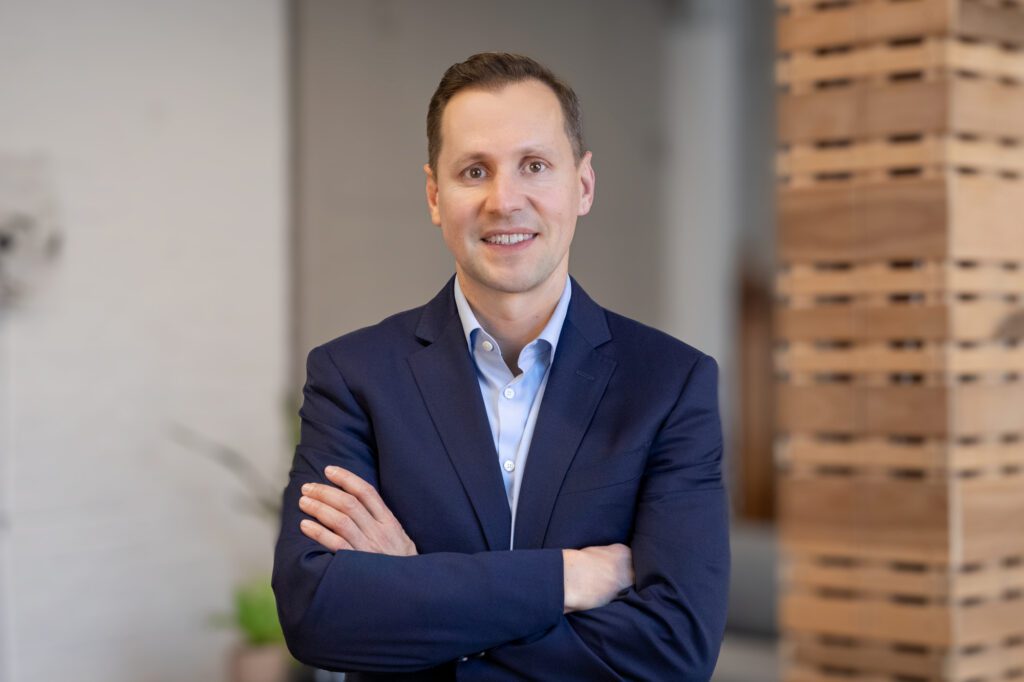
Craig Castelli, Founder & CEO of Caber Hill Advisors, is a trusted M&A expert with decades of experience advising business owners through successful transitions. Alongside a rotating roster of advisors, entrepreneurs, and investors, Craig brings engaging conversations that illuminate the world of middle-market M&A.
- ABOUT THE EPISODE
-

In this episode, Craig sits down with Chris Winterhalter, founder of Hotel Rehabs, to unpack his journey from post-crash real estate hustling to building one of the most innovative turnkey hotel renovation companies in the industry. Chris shares the scrappy early days, the evolution of his integrated GC model, the importance of leadership and process, and why expanding into Mexico City became a pivotal growth move. He also gives an inside look at scaling a niche business, building strong teams, and what excites him most about their next chapter.
- SUBSCRIBE
-
- ABOUT THE PODCAST
-
Exploring the Art & Science of dealmaking
Welcome to The Close M&A Podcast with Caber Hill Advisors, where we bring you exclusive insights from M&A experts, business owners, and industry leaders navigating the complexities of buying and selling businesses. Hosted by Craig Castelli, this podcast demystifies the dealmaking process, shares success stories, and offers invaluable lessons for business owners and investors.
- ABOUT THE HOST
-
Craig Castelli, Founder & CEO of Caber Hill Advisors, is a trusted M&A expert with decades of experience advising business owners through successful transitions. Alongside a rotating roster of advisors, entrepreneurs, and investors, Craig brings engaging conversations that illuminate the world of middle-market M&A.
- BE OUR NEXT GUEST
-
LISTEN
WATCH
READ
Craig Castelli (00:05):
Welcome to The Close M&A Podcast with Caber Hill Advisors. I’m your host, Craig Castelli. Today my guest is Chris Winterhalter, founder of Hotel Rehabs. Chris, you founded Hotel Rehabs in 2010. Tell us what was the idea and why’d you think it would work?
Chris Winterhalter (00:19):
Yeah, well one, Craig, thanks for having me on the podcast. So one, I started in 2009. I was fresh out of undergrad and started, and I knew I always wanted to start a business, but actually I started investing in real estate right at the crash. So GFC crash, foreclosed real estate, short sales, buying, fixing, flipping. And I didn’t have a lot of money, but I was borrowing money. I was figuring out how to invest in deals and make money and make it all work. And I did my first deal, it was and I still had a corporate job for, it was still less than a year after undergrad. And I bought a foreclosed, a HUD home on auction, and I figured out a way at closing to do a double close. So I bought it and sold it the same day. And essentially I got it under contract and I was marketing, this was , but I was trying to build an email list and I was marketing online. This was in, Zillow was brand new, Zillow, I think HotPads, I don’t even know if HotPads still exist, but just pushing it out there online and got a buyer to the table and essentially was able to with no cash, buy and sell it the same day. And I think I made four or five grand and I was like, this is the best thing in the world.
Craig Castelli (02:01):
Concept of money as a 22-year-old, right?
Chris Winterhalter (02:04):
Well, exactly. I didn’t need a lot to live. And so I’m like, okay, well how can I replicate this? And I got two other properties under contract and I am like, okay, this is great. I’m going to quit my job. I’m ready to quit my job. So I quit my job. I called my boss and I was in operations management and I’m like, I’m going into real estate. It’s like Lehman crashed yesterday. Are you sure? And I said, yeah, why not? I think I can make this work. And so that kind of, in those next two houses, I had buyers lined up, but they fell out at close, so I couldn’t do an ABBC, double closed transaction. Ended up buying ’em, fixing ’em, and renting ’em. And it was a difficult journey. So Hotel Rehabs was technically founded in 2010, but really we got it off the ground in 2014. And those first kind of from to 2014, I was spending a lot of time in real estate and investing in small single families, fixing, flipping, trying to do short sale, a short sale approach. I was doing a lot of direct mail and then buying some small apartment buildings. And so this gets to a long workaround to your question about Hotel Rehab.
Craig Castelli (03:41):
Well, let’s just double click on that for a second because I’m curious, did you have any formal education or training in either real estate or marketing, or were you really just building the plane as it’s going down the runway?
Chris Winterhalter (03:56):
Building the plane. A hundred percent. I was just figuring it out. What was interesting was today the world looks so different from influencers and educators, but there’s always been a world of grifters to educators out there in the world today. Now it’s like influencer, but if you remember when you were a kid and you saw an infomercial on how to become a millionaire in real estate, right? Well, ’09, there was this shift with the internet where you had a lot of these people that were doing building this kind of seminar, real estate, get rich quick business. And so that world was out there and then you started to have, and I would say there’s a sliding scale between complete and utter scumbags to okay, legitimate folks that know what they’re doing and the world still kind of exists in the world of let’s say influencers today. And so there were a lot of webinars that was a huge part of ’09, the growth of the internet, that beginning of influencer world of education. So I was listening to a ton of webinars, soaking up everything. I was going to real estate investor clubs, literally I would read books constantly. I just spent my entire time just absorbing information and trying to figure it out. And a lot of it was figuring it out on the fly.
(05:33)
I had no one to tell me how to buy a piece of real estate. I had no one to tell me how to rehab a piece of real estate or what to do on a due diligence process or how to value real estate. I was just figuring it out and I made plenty of mistakes. But generally I was able to figure out things as we went. And the marketing piece was interesting as well. And this was the forefront of kind of, I dunno, guerrilla digital marketing-esc stuff. So was we were doing a bunch of direct mail for foreclosure. So we’d buy list people in foreclosure, pre foreclosure, we’d buy these lists, we would hand write notes, they’d go into this third party phone service into a lead gen piece, and then they’d go into, you’d get automated emails and then we’d call them back. So that process was very humbling because one, you had to do the sales part of the process to get somebody to, this is somebody that their house is in foreclosure many times it’s very emotional and you’re sending them direct mail. And so that could go very wrong in a lot of instances. We had some calls where I’d just be screamed at because they were pissed for a certain reason. Sometimes there was an instance where the direct mail went to somebody that was dead because that passed away
(07:13)
And we were just using the list, the data from the list. And so there was a lot of learning and humbling experiences along the way of figuring it out. But super interesting.
Craig Castelli (07:27):
When we first got started in business, we used to send direct mail. I’ve since learned it is not in any way, shape or form how we want to acquire clients. It’s all referrals and content driven these days with some small exceptions for some buy-side work. But by and large, we’ve put the direct mail out to pasture. But when we did it, we used to piss people off. We would get phone calls that would say, how dare you send me mail? My business is not for sale. And I would just think, why are you taking the time to even call me and yell at me about this? But that’s nothing compared to you sending mail to somebody whose house is in foreclosure and dealing with an actual personal tragedy at the moment.
Chris Winterhalter (08:11):
No. And so you have to be able to talk them down or just be a good human. And so also, I was a 23-year-old, so it was a fast learning experience. It’s funny how all this kind of gorilla marketing tactics in commercial real estate that still kind of get rich quick world is there. So this is hilarious. So I haven’t opened this up, but this is a direct mailbox that somebody sent me for property, an apartment building. I still own a FedEx box. I don’t know what’s in it, but this is getting creative. And we also would,
Craig Castelli (08:54):
You don’t want to open it live on camera here?
Chris Winterhalter (08:57):
It might be anthrax, I dunno. Yeah. So that world kind of continued to grow, but it was a huge learning experience. I also was not, I think I fixed and flipped 25 houses. We did some big historic renovations, we won some awards, but we were also borrowing money at 24 to 28% simple interest from hard money lenders. And we paid back every dollar, but we were being successful in our strategy, but we didn’t have a lot of money, so we weren’t making a ton of money on the flips. We started to figure out where we were making more money on the short sale strategy. But the fix and flip world, particularly without your own capital, is quite challenging. And we were selling the houses quickly in a tough time. It just one or two things go wrong with that. You get your valuation wrong or your rehabs a little over, or your holding costs are a little more, and you can change your margin pretty drastically.
Craig Castelli (10:15):
Yeah, it’s hard to appreciate cost of capital until you’re operating on a raise within thin margin with really, really expensive capital like that.
Chris Winterhalter (10:23):
Yeah, yeah. So the road, back to your original question. So I met my business partner at a conference, and it was funny because the day before I had this kind of little sad thing. My college girlfriend who I got reconnected with, she invited me down to Guatemala. She was studying abroad there, and I was supposed to fly down on my birthday. And it’s kind of a sad story. She called me the day before and she’s like, I met this Guatemalan man and I don’t think you should come down. And I was so distressed, I was crying, I was moping, and I was like, Chris, you are going to get your act together. So I took my day, I think it was Taco Tuesday on my birthday with my friends, and I’m like, all right, you’re going to get your act together. You’re going to go to this conference tomorrow. And that’s where I actually met my business partner Guy. And it’s kind of a funny story now to tell, but my business partner guy came from the construction world and he wanted to get into real estate. So I pitched him on this real estate piece, but he had some exposure to this hotel construction world. And I got to learn about his business a little bit through that. And he was more like a subcontractor in that world.
(12:03)
A lot of his experience was on the home building side for large home builders. But I got to learn about the business a little bit. And so over those two or three years, I was like, there’s a real business here for us to build an integrated GC model. And that’s where the idea from Hotel Rehabs came from. Originally we said, we’re going to build this hotel GC model and we’re going to keep funneling money into real estate. And we in 2014, and I was like, I think the apartment market’s getting too hot. Cap rates are compressing too much. Obviously I was way, way wrong. There was another six years of runway there, six or seven years of runway. But either way, I wrote a one page action plan on this business and what I liked about it and construction is difficult. You touch some of that world and services on your end, but it’s a challenging business.
(13:09)
But what I liked about this business was you had particularly the branded side like Marriott, Hilton, Hyatt, IHG, they have really strict requirements to renovate properties every seven years. It’s tied in with the lender. It’s not really optional, and it’s a large capital infusion. So I like that stickiness. It’s not recurring revenue, but there’s a recurrence to it. I liked the assembly line aspect of it. And then I liked the margin piece of it, the assembly line margin piece. I thought there was a real business model there. And we had kind of a real estate ownership viewpoint, and I really liked like, okay, how can we solve a problem that the market’s not currently solving? And so we built out this turnkey model where we do all the architecture design, we buy all the FF&E from around the world and we do the GC part of it and we serve this niche.
(14:17)
And it was tough to get first, tough to really get our first client in our turnkey space, but it was really through a lot of just heavy networking and business development, got the first deal, second deal, third deal. And within really the first and second year we started to get a ton of growth and that’s when the plan was to originally continue funneling money into real estate. And that’s when we’re like, I think I realized we really have something here with this business. Let’s continue to grow it and take it from there. So that’s where it came from.
Craig Castelli (14:58):
It’s a beautiful model. I’ll find myself telling people about your business from time to time because I’m just fascinated by the requirement to rehab on what seems to me like a relatively frequent schedule. I mean, I can definitely tell as somebody who travels a lot when I’m in that hotel that is at six and a half years post that initial rehab, it starts to look like it needs it. And so certainly there’s a strong rationale behind it, but for it’s probably about as close to recurring revenue as you’re going to see in a GC business. I know you guys are more than just a GC at this point, but if you think about the fundamental concept of doing this rehab work, I mean it takes what would otherwise be a project-based business and adds this recurrence to it, which I mean you guys have to really enjoy, but to me, I just find it really attractive from a fundamental perspective.
Chris Winterhalter (15:50):
Yeah, a hundred percent. There are a lot of things I hate about the GC model, and a lot of those things don’t apply to our business, which is great. Now our businesses still has a lot of operational challenges as well, but that is a huge benefit kind of our model.
Craig Castelli (16:09):
Talk about your growth and what’s driven the growth both team and P&L, but also expansion of the physical presence of other markets.
Chris Winterhalter (16:23):
So we started growing really quickly and I think we five or six times on the Inc. 5000 list of just kind of growing and I never sacrificed margin for growth. I think that there are business models where that can make sense. I think in our business it doesn’t make sense, but we started continuing to, I was testing this model in the beginning like, okay, where can the margin be at scale? How do we scale this? What is our overall value prop and our strategy in the market? And we started to see a ton of growth there for really the first six or seven years. And growth is always like this, but we had heavy compound growth and really strong margins in the business where we started, you have these ceilings in business, you hear about these ceilings. Our first ceiling was probably that 20 person mark and 20, 25 people mark where it say, okay, we got to really, really start thinking about how we’re thinking about processing people differently than when we’re maybe 10 or 15 people, 10 or 15 people.
(17:56)
You still can have your hands in everything and then you start to go where you can’t have your hands in everything. And it becomes really important to have people in process. And so really early on, we brought on a phenomenal person on the HR recruiting side. And so we have always recruited internally. It was a decision we made very early on, which I think is played out really well for us because particularly also we’re in this niche, but we’re still in construction and retention is still an issue. And we’ve always tried to be above benchmark, and we’ve had a lot of success on that. And sometimes there’ve been some years we haven’t, but that people component is super important and still is today from how we’re recruiting rewarding, recognizing, retaining people. And so that was one thing that we really recognized at that first 20 people. Then as we started to go from 30 to 40 to 50 to 60 people, what became evident was leadership and management was so critical to our ability to scale or our ability to be successful without extreme pain.
(19:25)
Sometimes you can get the same result, but it takes an incredible amount of pain to get that result. And we were feeling that as we started to, essentially we started to get kind of middle level managers. We’d be like, oh, wait a minute, or we moving slower? Are the results not as good? And why is that? And so we recognized really, I think maybe in ’18 or ’19, that leadership and management component without developing that we were going to be dead in the water or we just weren’t going to be able to scale and grow. And so that was kind of a second critical piece. And then you have these three legs of the stool. And when you think about construction, it’s like you get work, you do work, and you keep score. So it’s sales, it’s ops, and it’s finance and accounting. And the second you think that one is more important than other than you have an issue with one of the other legs of the stool. And so I always try to reach this to my leadership team as well. It’s like, oh, well, ops is the most critical. It’s like ops is only the most critical until you lose a million dollars because your control was out of place.
(20:53)
It’s only the most important until you don’t have any work to do. And so that piece of recognizing that you have to keep those three engines growing as you grow is critical. And so building a sales machine is really hard and building it at scale is also really hard. And so that’s something that we’ve also recognized as well. It’s the three pieces, but you have to keep building those three pieces as you keep growing those other aspects of the business.
Craig Castelli (21:32):
How do you get your individual leaders to buy in to the concept that all three pieces are equally as important when many of them are only overseeing one of the three?
Chris Winterhalter (21:45):
I think it’s hard. For the last four years or so, we’ve really worked at building our leadership team. And so we stay really connected from a leadership perspective. We run EOS, which is been, we’ve ran it for now seven years, and it’s been helpful with getting everybody on the same page, having a clear vision of where we’re going and how we’re going to get there. But one thing I try to do, and I have to to continue to make sure I remind not only leadership team, but the entire team is to how they understand the fundamental basics of the business. How does the business operate? What are the unit economics? Why do people actually hire us? People get in silos, and I was talking to somebody yesterday that was doing a presentation for our turnkey work as we continue to scale that. And I said, well, what does the client actually care about? You care about all this. Some of this is important for us, this is really important for us to do, but what does the client care about? Because ultimately that’s what matters.
(23:04)
And so I try to always talk about understanding the business and the why, so I can add context to why do the other parts matter? And that I feel like that’s a big part also of my job as a leader and then being able to help instill that in the leadership team so they can instill that in others. But it’s hard. But when things go wrong, one, I want to make sure our leaders talk to each other, that they’re able to solve problems within the team and other people are able to solve problems within the team. But two, they understand when things go wrong across the business, how important that other function is as well. When somebody doesn’t have a talented person on the team or their resource management was failed, they understand, okay, yeah, how important that was to the business or when we’re not converting deals at the conversion rate that we need to be, why that affects the overall business and ultimately them. But it’s hard.
Craig Castelli (24:18):
Yeah, no question. How’d you guys end up with an office in Mexico City?
Chris Winterhalter (24:24):
So COVID was an interesting time. If you remember 2021, we had this revenge spike in the economy and you had this huge just grab for talent. And we tried to get, and we had actually 2020 was not a bad year for us. It was a great year 2021 and 2022 and a little bit of 2023. Those were very challenging years for us because of that V curve. And so our turnkey model early on, we bought FF&E internally, we did all the construction internally, but we managed external designers under our umbrella designers and architects. The model just never worked. It never worked for us. It created massive issues. And so we said we needed to bring architecture and design if we were actually going to get to where we want to go, and we believe we have the ability to be really the true dominator in this turnkey space. And we said, we can’t be that without bringing this in-house. So we started to hire the team. And what we found, and I think there were two things happening. It was 2021, and you had a little bit, you had remote work, you had a little bit of this anti, it was more of a pro employee market and the dynamic,
Craig Castelli (26:10):
Sure, Mexico City was a big hub for the remote American workers, especially if you’re young, it’s a really cool place to hang out.
Chris Winterhalter (26:20):
But just speaking of the US, I mean this was globally too.
(26:25)
People were thinking about work differently. It was becoming more transactional, and the market was definitely more pro employee. Obviously there are shifts over time, but I believe we’re in a fundamental shift right now where that was a pinnacle point where people think about work differently and loyalty to companies and how people stay in jobs and work in jobs has changed. And there’s definitely, there’s an employer side and an employee side to that. I a hundred percent recognize. But when we were hiring these A&D folks in the us, we found that they really just, one, they weren’t excited to do the type of work that we were doing. They wanted to do this very, we do a lot of programmatic work in our world of this turnkey. They wanted to do this really highend custom design that was the talented people.
(27:22)
And we really struggled for people to really want to do our work and build towards our vision in this turnt space. And we’re like, okay, we’re banging our head up against the wall. We’re overpaying for talent and we’re not getting what we need. And so I had a friend who, and I’ve hired remote work actually, I was hiring, I had a VA in ’09 from India who was phenomenal for three years. So remote work. And throughout the years, I’ve always hired freelancers or whatever globally, but had a friend that was building a business in Mexico City. And so I’m like, oh, this is super interesting. And Mexico City is the largest city in the northern hemisphere as incredible talent is an amazing city, great education, and it’s a ton of direct flights to the us. And so we said, okay, what would it look like for us to build A&D out of Mexico City where everybody could travel to our projects, they would be fully connected. It wouldn’t be like this back office team, it would be a fully connected Hotel Rehabs team. And so we pulled the trigger on it two years ago, and it’s been great. It’s a long-term investment estimate.
(28:55)
We have our team down. We have about nine people down there. I think we will probably be 15 to 20 in the next 12 months. We definitely have have a couple, two or three open roles there right now. And we’ve hired beyond architecture and design as well. And it’s worked out really well. Phenomenal team down there. Everybody can fully travel to the US to our projects. We wanted to build an office culture there that was also connected just like any other satellite office. And there’s been a lot of learning curves. It’s not a short term instant play, but it’s I think a critical part of our growth. And phase two of that is us expanding into LatAm and the Caribbean, and I believe that is the pinnacle. That would be the pinnacle place to do it.
Craig Castelli (29:56):
You’re not doing work in hotels there at the moment?
Chris Winterhalter (29:59):
Not yet, no.
Craig Castelli (30:00):
Okay. Yeah, that’s a huge expansion market. With the Mexico City expansion, is that all just organic hiring people or have you acquired any firms through that process?
Chris Winterhalter (30:12):
No, it’s all organic hiring and the recruiting process is interesting. So we actually, we’ve spent more time recruiting individuals there than we do in the US. And I think we said we wanted a really high bar to begin with. And so that took a little longer, but we really wanted it to be the 51st state. Not to… like…
Craig Castelli (30:43):
Careful.
Chris Winterhalter (30:44):
Yeah, careful. Yeah. I’m not like Canada. No.
Craig Castelli (30:48):
Claudia Sheinbaum does not listen to this podcast, I’m pretty sure. So I think you’re okay.
Chris Winterhalter (30:55):
Yeah. And there’s been plenty of challenges. But yeah, it’s been a little organic. I think if we were to expand a LatAm that either partnering or acquiring a firm would be an interesting strategy to look into, especially because being able to be domicile there and working across Latin America, I think could have a lot of advantages.
Craig Castelli (31:26):
There have to be some local height rate preferences in some of these countries, if not permitting requirements that requires a local name on it. So there will inevitably be a strategic advantage there at some point, I’m sure.
Chris Winterhalter (31:39):
Yeah.
Craig Castelli (31:41):
So what excites you the most about the future of the business?
Chris Winterhalter (31:46):
Well, we haven’t launched it to the team yet or told the team. We just hired a new COO for the business, and we have some big growth plans in the next three to five years. And so what excites me about kind the next three to five years? One, I love business. I love entrepreneurship. I love building things, but this turnkey business that we’re in, we have a real opportunity to be just the largest market dominator in the space to win that prize. And it’s exciting, not just because of that end result, but what’s exciting about it is what does it mean to get there? And to get there there’s a couple things. One, we have to actually innovate and disrupt construction. Construction’s so archaic, and I understand why. Projects are unique and complex by nature. The last a hundred years, we haven’t been any more productive than we were a hundred years ago. You have firms like Katerra, I dunno if you know the firm, Katerra, multi-billion dollar funded, SoftBank Construction, vertically integrated, that failed.
(33:11)
There’s stories like, oh, people have tried. But I think we’re in a point of time where we’re going to actually see innovation because of AI and the ability to take all this unstructured data and unique project viewpoints and actually be able to innovate in the space, both from technology and I think a changing passing of the torch as well from those businesses. So I think that’s one reason why it’s really exciting to me, to get to that point, we have to build something differently. And that’s super exciting, very tech forward, very anti normal, just normal standard practices of design and furniture and construction, which it’s just so freaking slow. And so that’s one component. The other piece is that it does excite me is people are tough people, businesses, service businesses are really tough.
(34:22)
And to get there, we really have to build a great machine where people are challenged in their work, they’re recognized, they’re rewarded, they’re incentivized, and they feel good about the work that they’re doing. And we have a healthy culture of accountability, and that’s hard to get to. And so those two things excite me about the next three to five years in this space. And I have a bunch of other things I’m excited about. We have an investment initiative that we’re doing that is starting to test out on the hotel space and other things that I’m doing, but just kind of related to Hotel Rehabs, that’s the excitement point.
Craig Castelli (35:04):
You want to talk about the investment initiative a little bit? You certainly perked my interest with those words.
Chris Winterhalter (35:11):
Well, not necessarily on the M&A side, but on, I think strategically early on, I was 23, didn’t know what I didn’t know, but I was always fascinated about building wealth through cashflow. And I’ll say the word passive, but passive has a lot of tears. So I want to be careful the world of mailbox money. And I think that’s always been interesting because one, it’s like freedom. I’m, I’m a hard worker. I’ve grinded for, and I love to work. I have been consistently working my ass off for 15, 17 years. And I love that the freedom piece of cashflow was something I always loved. And I think I was right about that when I was young. And how do you build that? Because I think some of the hardest things in life are when you feel stuck and trapped, and you have a lot of people that are in high paying jobs that are stuck and trapped as well. And there’s a lot of reasons to that. But
Craig Castelli (36:36):
It’s very easy to grow your spend to the level of your income.
Chris Winterhalter (36:41):
Lifestyle inflation is real, and there’s a lot of ways to get trapped beyond money too. But true freedom was always interesting to me. And so I want to continue to, and I’ve continued to invest on the LP side of real estate and still own a bunch of apartment buildings, but I wanted to have a way to invest personally into deals where we could bring our expertise on the construction side and a relationship with people that I really trust, admire, respect, and continue to build out a cashflow model for interesting things. So that’s something I’ve been working on this year and have a couple of things in the hopper on and I’m excited about. So
Craig Castelli (37:36):
Is there an element there of vertical integration without folding everything under the Hotel Rehabs brand or some of these investments, hotel businesses where you can then bring in your services and acquire business that way?
Chris Winterhalter (37:54):
Acquire the hotel or a business in the hotel vertical, you mean?
Craig Castelli (37:58):
Either or?
Chris Winterhalter (38:00):
We’ve looked at some M&A stuff in the past and I think haven’t been, obviously if you want to be on the M&A track, it requires a lot of discipline, a lot of time you look at a hundred deals and maybe a couple fall through, but we’ve been active looking in our space for architecture and design for a couple years there. We said, should we buy because maybe it makes more sense to purchase and maybe we just didn’t find the right firm. But ultimately we got close actually, but it didn’t work out. And that was more of an hire situation and we look kind of up and downstream. But the existing businesses on that front, none of them were that exciting to me that we spoke to. So the EBITDA that we were buying, we were really just buying the people because the EBITDA that was there I didn’t think was very durable or it wasn’t that it didn’t have the value that was being put into it
(39:14)
And maybe we could have made some things work with the right structure. We’ve looked at some FF&E companies as well in the past. So furniture procurement groups and kind of similar where we looked at one really good one I thought, but they weren’t really ready. And then a couple of just not great businesses that we just also leaned into how can we organically grow this? And then on the GC side, the hard part about the GC side is the margin. So how do we blend in higher margin with lower margin? It’s like, well, we don’t want this lower margin work. And so let’s say you’re dropping margin by 50 or 75%. Well, if we wanted to do that, we could just start bidding that work.
Craig Castelli (40:21):
You’re saying no to that work today.
Chris Winterhalter (40:24):
And so there have been a couple of interesting things that we’ve looked at on that front, but no, it hasn’t panned out, and I don’t know if that would, I think there’s opportunity there. I think the piece I’ve always said is, okay, who’s going to focus on that? Is that because it’s always been in the background for me?
Craig Castelli (40:49):
Sure.
Chris Winterhalter (40:51):
One last thing on the M&A side is I think there’s an opportunity for us to build a disaster recovery division for hotels. We do a little bit of disaster recovery work a year, and it’s great work. And there’s a lot of reasons why I think that model is really great. In hotels, you think about these large loss things, well, what’s the first thing that they want open? Generally a hotel is one of, because they need to house people to do other work. And so they have this huge propensity to pay. So we’ve looked at some of those businesses on like, okay, do we buy a restoration business? And I dunno if you deal in that world, but it’s kind of picked up heat as far as from the PE world of things.
Craig Castelli (41:40):
Yeah, there’s some very large rollups in that restoration disaster recovery space. Unfortunately, the tailwinds suggests there’s going to be an increasing amount of that type of work available in the coming decades
Chris Winterhalter (41:55):
If you’re, I’m long on natural disasters, sadly. Yeah. No, sad. That’s really sad.
Craig Castelli (42:09):
I’m saying that tongue in cheek. Of course. Yeah. Nobody wants that to be the reason that a business is growing and successful.
Chris Winterhalter (42:16):
Yeah. Funny little story. My wife, her mom’s side has now a fifth generation funeral home and her uncle ran it for years. And so it’s like, oh, how are you doing? Or whatever. And he is like, our metrics is number of bodies a year. It’s like we’re at 450, we needed to be at 475 or whatever, so we’re down 25 bodies for the year. And I’m like, man, that’s kind of a morbid metric, but you get it right.
Craig Castelli (42:43):
You know what? Hate the game, not the player. It’s inevitability, right? Yeah. Well, Chris, this has been a lot of fun. I always like to wrap up here with the same question for everybody, which is I’d like to ask you to give any of the business owners that might be listening or watching here, a piece of advice and perhaps something that they might not hear somewhere else.
Chris Winterhalter (43:09):
Oh, a piece of advice. Well, a couple things. One, there are a lot of ways to find success, not just one road to success, and two, consistency and grit and perseverance are some of the biggest attributes that I see in all entrepreneurs. If you don’t give up, generally you’re going to find a certain level of success. And I see that in all of my business owner, entrepreneur, friends out there, and there’s a lot of distractions in the world of LinkedIn and Instagram folks out there. And it’s not sexy, but if you just keep working at it, you keep pushing hard, you’re going to find a level of success. And that’s what I’ve done.
Craig Castelli (44:09):
Yeah, I think there’s a fine line between consistency and grit and stubbornness, and you need a little bit of all of that in order to succeed in business. That’s the reality.
Chris Winterhalter (44:19):
I have a high threshold per pain, and I don’t know if that’s been a good thing or a bad thing, meaning sometimes it might make sense to quit, but it’s hard for me to do so.
Craig Castelli (44:30):
Yep, I hear you. Well, Chris, I appreciate you joining us on here. If anybody wants to learn more about Hotel Rehabs or get in touch with you personally, where would you send them?
Chris Winterhalter (44:39):
Yeah, check me out on LinkedIn. Just my name, Chris Winterhalter, and you can check out Hotel Rehabs on LinkedIn as well, or website, just HotelRehabs.com. And yeah, always happy to connect with anybody in the space.
Craig Castelli (44:56):
Well, thanks a lot for spending the hour with us here, and thanks everybody for watching us on The Close.
Chris Winterhalter (45:00):
Great. Thanks for having me, man. Great to see you.
